Acid Fracturing Pump Truck Hose – Selection, Deployment, and Maintenance Best Practices
release date:2026-11-04 14:46:53
reading volume:
share:
Start Your Selection Process by Mapping Full Operating Parameters
Many procurement and engineering teams make the common mistake of selecting an acid fracturing pump truck hose based only on its nominal working pressure rating, without fully accounting for all variables in their actual operations. A rigorous selection process must begin with documenting the complete set of operating boundaries: first, define the exact chemical composition and maximum concentration of the acid blends and fracturing fluids that will pass through the line, since different elastomer families have very different resistance profiles. Second, map the peak instantaneous pressure that the pump system can generate during transient surges, not just the steady operating pressure, so you can reserve an adequate safety margin for unexpected pressure spikes. Finally, confirm the full temperature range the hose will encounter, from cold winter surface conditions down to the elevated temperatures present in deep well operations, to ensure the selected material will not lose flexibility or degrade prematurely.
 Critical Construction Details to Evaluate Beyond Data Sheets
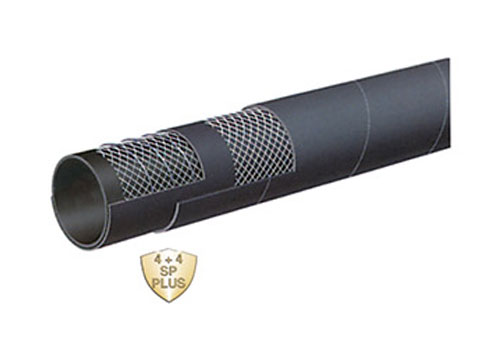
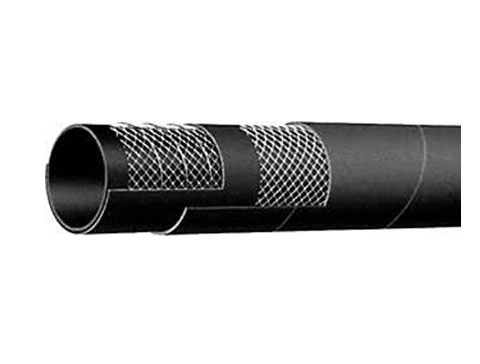
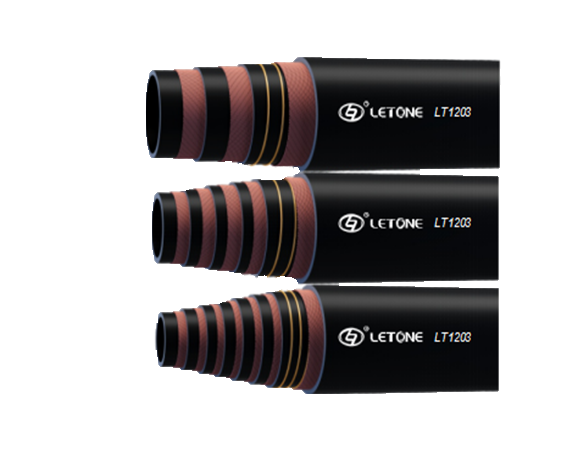
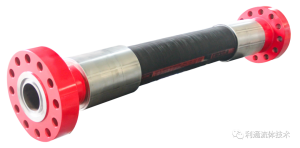
When comparing different acid fracturing pump truck hose options, do not stop reviewing after checking the published specifications. There are several easily overlooked construction details that make a huge difference in long-term reliability. First, inspect the thickness and uniformity of the inner liner: the acid-resistant layer must be thick enough and evenly distributed to avoid localized corrosion breakthrough at thin spots. Second, confirm the reinforcement winding pattern: premium products use a balanced cross-wire arrangement that ensures even load distribution across the entire hose length, eliminating stress concentration points that usually lead to early failure. Third, examine the formulation of the outer cover: it must be compounded to resist ozone, UV radiation, hydraulic oil, and repeated abrasion from being dragged across rocky wellsite surfaces. Equally important is the end connection design: high-quality flanges with precision machined sealing surfaces deliver consistent leak-free performance even after hundreds of make-and-break cycles on location.
Match Hose Specifications to Your Specific Operation Profile
Different acid fracturing job profiles require targeted hose configurations to deliver the best balance of performance and value. For standard shallow to medium depth matrix acidizing jobs, a general-purpose acid-resistant hose with standard steel wire reinforcement will deliver reliable service at an optimized cost point. For high-pressure deep well fracturing operations with extreme pressure ratings, you should select a hose built with extra high-tensile steel reinforcement that meets the latest industry performance standards. For operations in high-sour fields, only hoses specifically compounded and certified for H2S service should be deployed to prevent catastrophic sulfide stress cracking. For jobs that require frequent hose movement and re-rigging between multiple well pads, choosing a more flexible, lightweight construction will drastically reduce crew fatigue and speed up every rig move operation.
Smart Field Maintenance Extends Hose Service Life
Even the highest quality acid fracturing pump truck hose will not deliver its rated service life without following proper storage, deployment, and post-job maintenance procedures. When stored off location, hoses should be kept in a cool, shaded area away from direct sunlight, corrosive chemicals, and heavy stacked loads that can cause permanent deformation. During field deployment, never bend the hose below its specified minimum bend radius, and avoid dragging it directly across sharp rock and steel edges without temporary protective padding. Immediately after completing every acid job, flush the entire hose volume completely with neutralizing solution followed by clean water to remove all residual acid and proppant that would otherwise continue corroding the inner liner. Perform a full visual inspection before every subsequent job, and immediately remove any hose that shows cover cracking, localized bulging, or surface damage that exposes the wire reinforcement.
Previous: