High-Temperature Resistant Chemical Hose: Core Guarantee for Fluid Transfer in High-Temperature Chemical Scenarios
release date:2026-11-20 10:36:09
reading volume:
share:
Challenges of Transfer Components under High-Temperature Conditions
In industrial scenarios such as fine chemicals, high-temperature synthesis, and hot oil transportation, fluid media are often accompanied by sustained high temperatures. Conventional industrial hoses are prone to problems such as material softening, inner layer swelling, and structural deformation under these conditions, which not only significantly shortens the service life of equipment but may also lead to safety hazards such as media leakage and pipeline rupture. High-temperature resistant chemical hoses, as specialized components adapted to complex high-temperature conditions, are the core support for ensuring the stable operation of high-temperature fluid transfer operations and are irreplaceable key supporting equipment in many chemical production processes.
Targeted High-Temperature Resistant Material and Structural Design
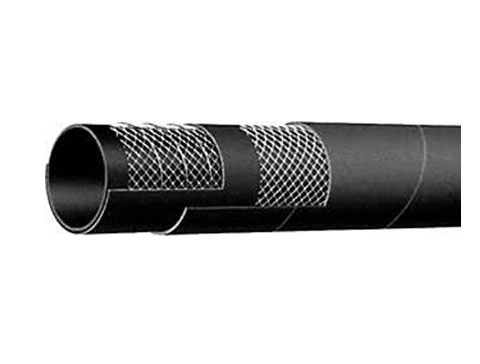
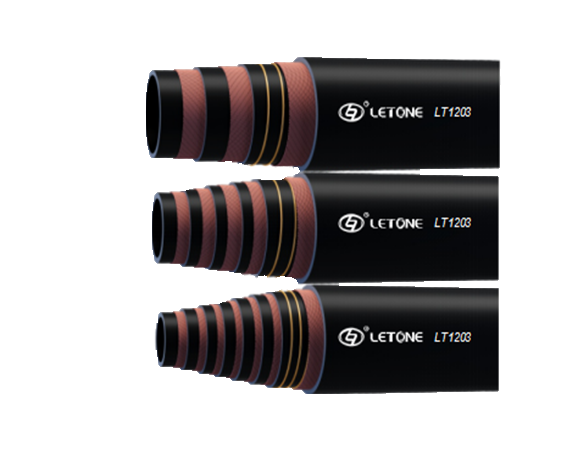
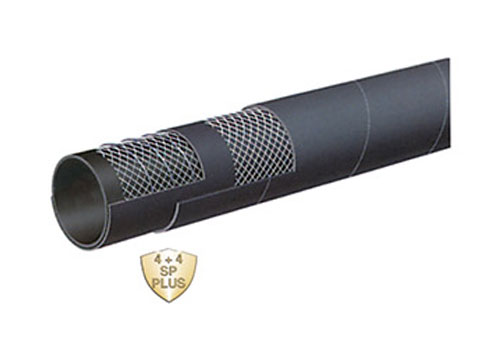
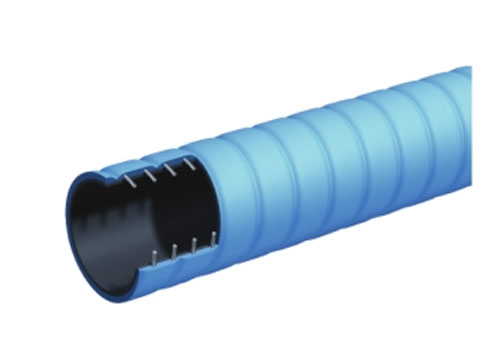
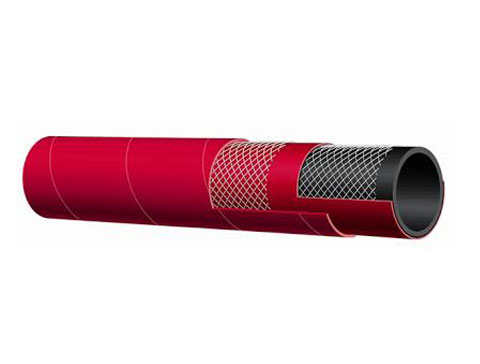
The core advantage of a qualified high-temperature resistant chemical hose lies first and foremost in the targeted optimization of its material system. The inner layer of the hose is made of a special high-polymer material resistant to high and low temperatures, which can maintain structural stability for a long time in high-temperature media environments above 150°C, without problems such as material softening, media precipitation, or decreased corrosion resistance, making it fully adaptable to the long-term erosion of various high-temperature chemical media. The intermediate reinforcing layer uses high-temperature resistant, high-strength synthetic fibers cross-woven together, paired with a continuous metal spiral skeleton for structural support. Even in high-temperature environments, it maintains stable pressure resistance and negative pressure resistance, preventing interlayer delamination and tube collapse. The outer layer is a weather-resistant, aging-resistant, high-temperature protective layer that resists external high-temperature environments and UV corrosion, preventing embrittlement and cracking after long-term use, ensuring the entire hose maintains its structural strength under high-temperature conditions.
 Key Points for Proper Use in High-Temperature Operations
To fully utilize the performance advantages of high-temperature resistant chemical hoses, proper operating procedures are essential. Before operation, ensure the hose's rated temperature range completely covers the actual temperature of the current medium to avoid rapid degradation of material properties due to prolonged operation at excessive temperatures. Avoid areas directly exposed to open flames when laying pipelines, allow sufficient slack, and ensure the hose's minimum bending radius is not lower than the rated value to prevent stress concentration and damage at bends under high temperatures. During the transmission of high-temperature media, the flow rate should be gradually increased to avoid the impact of thermal expansion and contraction of materials caused by sudden temperature changes. Simultaneously, the surface temperature and condition of the pipe should be monitored in real time. If any abnormal signs such as localized bulging or discoloration of the outer layer are detected, the machine should be stopped immediately for investigation and repair. After operation, do not immediately rinse the high-temperature pipe with cold water. Allow the pipe to cool naturally to room temperature before cleaning and storage to minimize damage to the material from sudden temperature changes.
Comprehensive Value Advantages of Full-Cycle Operation
Many chemical companies have significantly reduced the failure rate in high-temperature fluid transmission after replacing and upgrading to high-temperature resistant chemical hoses. The average service life of the hoses can reach more than three times that of ordinary rubber hoses. Stable operation not only reduces production downtime losses caused by sudden failures but also significantly reduces the procurement and maintenance costs of frequent equipment replacements. In long-term, high-frequency high-temperature operation, the overall cost-effectiveness advantage will continue to stand out, building a safer and more efficient high-temperature fluid transmission system for enterprises.