Scenario-based Selection Guide for Wastewater Treatment Acid and Alkali Resistant Hoses
release date:2026-11-20 10:41:18
reading volume:
share:
Differentiated Requirements of Different Wastewater Treatment Scenarios
The working conditions of wastewater treatment scenarios vary greatly, from the chemical dosing link with small flow and high corrosion resistance requirements, to the sludge discharge link with large flow and high wear resistance requirements, and then to the mobile sewage suction operation in emergency rescue scenarios. Different links have completely different performance priorities for hoses. Many enterprises only focus on the single acid and alkali resistance parameter when selecting models, ignoring the scenario adaptability, which easily leads to the mismatch between hose performance and working conditions, resulting in frequent non-natural damage and shortened service life. Accurate selection combined with the characteristics of the scenario can maximize the use value of the wastewater treatment acid and alkali resistant hose.
 Adaptation Solutions for Four Typical Scenarios
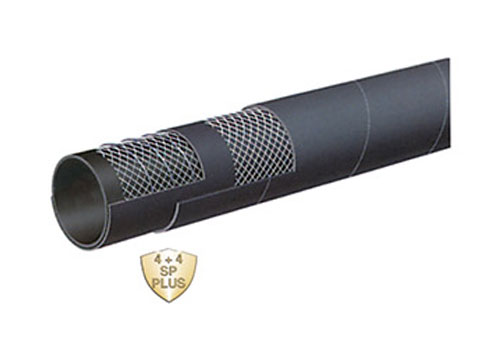
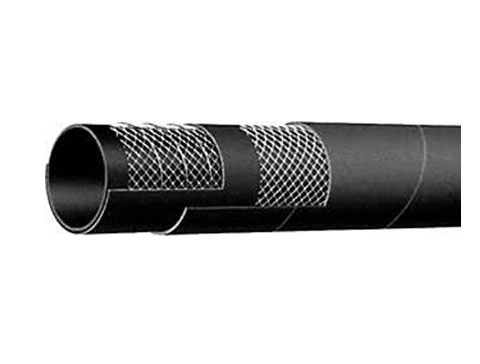
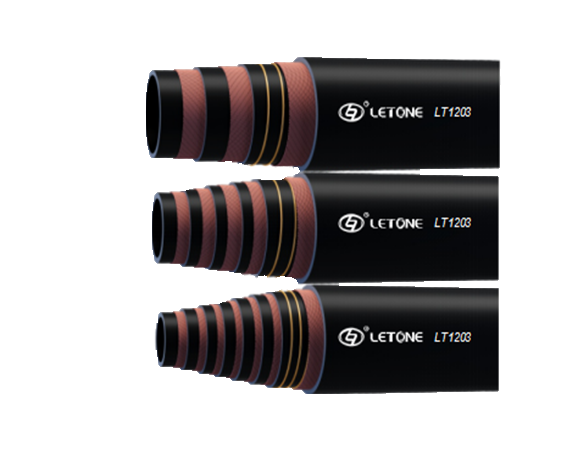
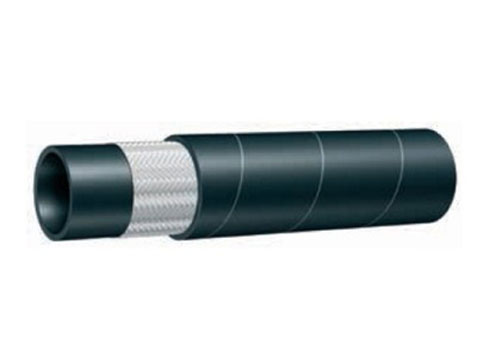
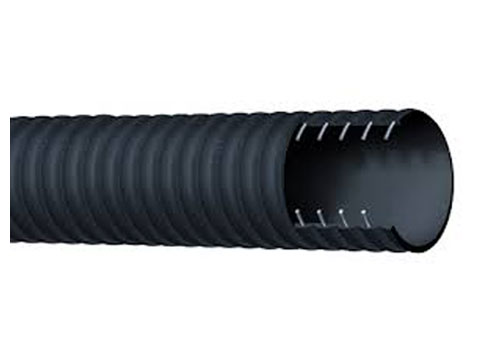
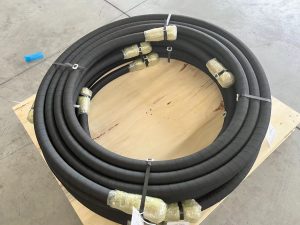
For the chemical dosing link in the sewage treatment process, it is suitable to select the lightweight high-corrosion-resistant wastewater treatment acid and alkali resistant hose. It can stably transport various acidic, alkaline and flocculant chemical agents, with good sealing performance, which can effectively avoid the leakage of chemical agents and ensure the accuracy of the dosing process. For the conventional raw water and reclaimed water conveying links, the general-purpose acid and alkali resistant hose can meet the demand, which can adapt to the complex water quality containing a small amount of impurities and residual chemicals, and give consideration to both cost performance and service life, which is suitable for long-term continuous operation in conventional working conditions. For the sludge discharge and high-concentration sediment delivery links, it is necessary to select the enhanced wear-resistant type of wastewater treatment acid and alkali resistant hose. The inner layer is optimized with wear-resistant formula, which can resist the long-term scouring of high-concentration sludge and solid suspended particles, and will not appear inner wall wear and perforation in a short time. For the emergency rescue and mobile sewage suction scenarios, the flexible and easy-to-store wastewater treatment acid and alkali resistant hose is the best choice. It is lightweight and easy to bend, which can adapt to frequent handling, laying and recycling, and can quickly complete the pipeline layout in different emergency sites to support the rapid sewage disposal operation.
Key Details of Media and Environment Matching
In addition to matching the performance according to the scenario, it is also necessary to further confirm the compatibility between the hose lining material and the actual medium. For special industrial wastewater containing strong corrosive components such as strong oxidizing agents, it is necessary to select a higher level of special lining material to ensure that the material will not have chemical reaction with the medium under long-term contact. At the same time, combined with the outdoor sunshine, high temperature, low temperature and other environmental conditions of the operation site, select the corresponding outer layer protection grade of the hose to further enhance the environmental adaptability.
Efficiency Improvement Brought by Scenario-based Selection
After completing the scenario-based accurate selection, the failure rate of the fluid transmission link in the wastewater treatment process will be significantly reduced, the service life of the hose will be extended by more than 40% compared with the mixed use of ordinary models, and the operation and maintenance manpower investment will be greatly reduced. The smoothness of each link of wastewater treatment is effectively improved, avoiding the process interruption caused by hose problems, and providing a stable and reliable guarantee for the continuous and efficient operation of the entire wastewater treatment system.
Previous: