No need for high-temperature steaming or boiling, ultra-high pressure sterilization lets you prepare a bowl of "fresh and delicious" complementary food for your baby.
release date:2026-11-12 15:23:54
reading volume:
share:
I. The "Dilemma" in Baby Food Preparation
When preparing complementary food for your baby, parents always struggle with two things: safety and nutrition. Traditional high-temperature steaming and sterilization effectively kills harmful bacteria, but vitamins, natural flavors, and active nutrients are also lost in large quantities. If you want to retain more freshness and nutrients, incomplete sterilization can easily lead to your baby ingesting residual pathogens, causing diarrhea and gastrointestinal discomfort. Many parents have had this experience: homemade complementary food spoils in less than two days, while store-bought complementary food always feels too "cooked" and lacks the natural sweetness of the ingredients.
 II. Ultra-High Pressure Sterilization: "Cold Sterilization" Completed at Room Temperature
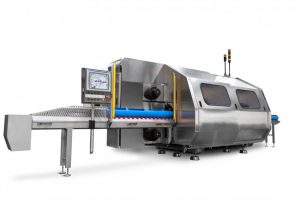
Ultra-high pressure sterilization technology has opened up a completely new avenue for the complementary food industry. Sealed baby food ingredients are placed in a closed container, and hydrostatic pressure of 400 to 600 MPa is applied using water as a medium. At room temperature or low temperature, this destroys the cell structure of microorganisms, completely inactivating bacteria, mold, and yeast. The entire process does not rely on high temperatures, unlike traditional heat sterilization which destroys heat-sensitive nutrients in the food.
This process is particularly suitable for baby food. The pressure is instantly and evenly distributed to every part of the food, ensuring uniform sterilization of everything from smooth fruit and vegetable purees to mixed foods with small meat pieces, preventing incomplete sterilization in certain areas. Simultaneously, the pressure barely damages vitamins, natural aroma components, and small-molecule active nutrients. The final product retains far better color, flavor, and nutrient retention than traditionally heat-sterilized baby food.
III. The natural flavor of baby food no longer needs to be "cooked" out by high temperatures. Many babies dislike commercially prepared baby food because high-temperature processing causes ingredients to lose their original natural aroma. Carrot puree processed under ultra-high pressure retains the sweetness of fresh carrots; broccoli puree retains its subtle freshness; and meat puree avoids the dryness and fishy smell often associated with overcooking. This flavor, closer to the natural ingredients, is more easily accepted by babies' palates, helping them develop a fondness for natural foods from a young age and reducing the likelihood of picky eating.
For infants and toddlers with delicate digestive systems, the completeness of nutrients in complementary foods is crucial. Ultra-high pressure processing maximizes the preservation of the activity of natural digestive enzymes, vitamins, and high-quality proteins in the ingredients. Every bite a baby eats provides nutrition closer to that of fresh ingredients, while also reducing the metabolic burden on their still-developing digestive system.
IV. Balancing Safety and Freshness, Adapting to Modern Parenting Pace: Standardized ultra-high pressure sterilized complementary foods, produced under cold chain conditions, achieve a longer shelf life. This eliminates the need for excessive preservatives and saves busy parents the time and effort of preparing complementary foods daily. This reduces the risk of microorganisms caused by improper operation and incomplete sterilization during the homemade complementary food process, allowing new parents to save more time to spend with their babies and provide their children with a safer eating experience.