Ultra-high Pressure Sterilization: Reimagining Shelf Life and Safety for Chinese Medicinal Materials
release date:2026-11-12 15:31:32
reading volume:
share:
1. Why Conventional Sterilization Often Weakens Herbal Value
Many Chinese medicinal materials contain natural bioactive substances that are extremely vulnerable to heat, oxidation, and chemical contact. Traditional sterilization techniques, while effective at killing microbes, frequently alter the herb’s physical appearance, flavor profile, and pharmacological potential. Long-term high-temperature exposure can turn bright herbal slices dark, cause aromatic components to evaporate, and break down complex polysaccharides into less effective fragments. For high-value herbal varieties, these losses can significantly reduce product grade and market value, leaving processors caught between meeting microbial safety standards and protecting the material’s natural quality.
 2. Uniform Pressure, Uniform Protection Across Every Herb
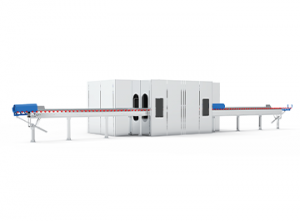
Unlike thermal processing, which can suffer from uneven heat distribution in dense roots or tightly packed herbal powders, ultra-high pressure transmits instantly and evenly through every part of the vessel. Whether the material is a hard, compact rhizome, a fluffy flower, or a fine herbal powder, pressure reaches every corner at the same moment. This eliminates the common problem of “partial sterilization,” where some sections of the batch remain under-processed while others are overheated and damaged. The result is a batch of medicinal materials with consistent microbial safety, consistent color, and consistent active compound retention across every unit.
3. Reducing Reliance on Chemical and Thermal Processing
Before UHP technology became widely available, many herbal producers had to rely on fumigants, preservatives, prolonged drying, or radiation treatment to meet microbial limits. Each of these methods carries its own risks: chemical residues can raise safety concerns, radiation can alter trace organic structures, and prolonged drying can degrade natural moisture balance. Ultra-high pressure sterilization replaces many of these steps with a purely physical treatment that adds no foreign substances to the final product. For consumers who prefer clean-label, minimally processed herbal products, this is a major step forward in aligning traditional herbal culture with modern expectations for transparency and purity.
4. Opening New Possibilities for Herbal Formulations
The improved preservation performance of UHP-treated Chinese medicinal materials also unlocks new product development opportunities. Processors can now create ready-to-use herbal slices, instant herbal decoction sachets, and powdered herbal blends that maintain full active potency without requiring boiling or long preparation. These innovations make traditional Chinese medicinal materials more accessible to younger consumers, international markets, and busy modern households, while still respecting the natural properties that have made Chinese herbal therapy effective for thousands of years.
Previous: